
Choose the week you actually want
A week is enough for a focused Nepal introduction. It is not enough to combine every major region with a high mountain trek. Start by choosing between a lake-and-foothill route and a valley-and-wildlife route. Both give you contrasting experiences without changing hotels every morning.
The outlines below assume seven usable days, with Kathmandu as the arrival and departure city. Adjust them if your flights arrive late or leave early. They are planning examples, not guaranteed departure schedules or fixed-price packages.
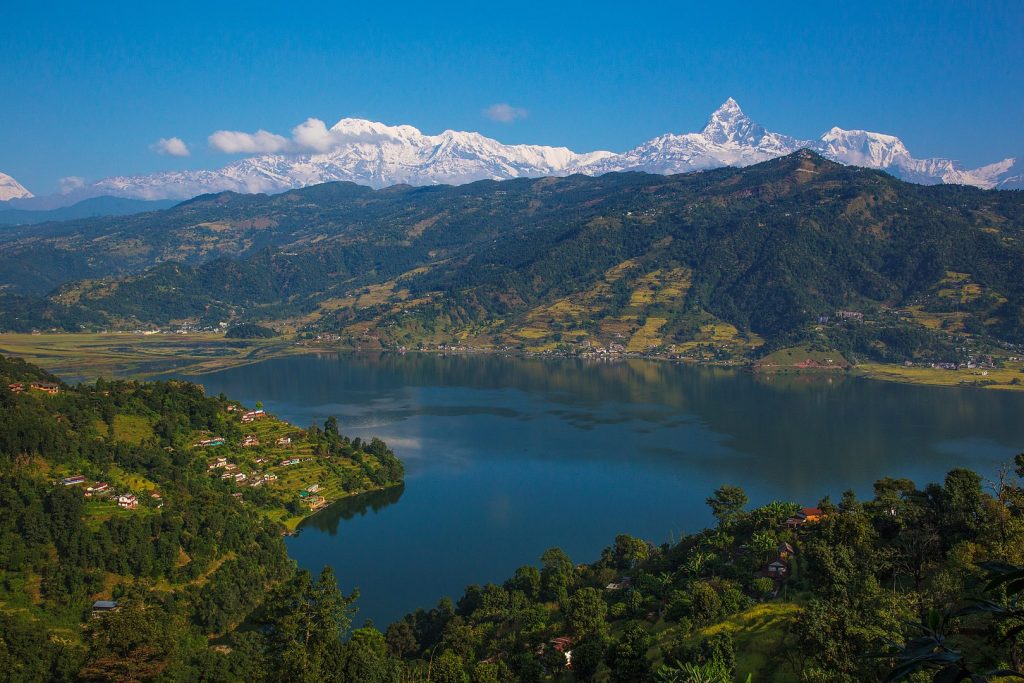
Route A: Kathmandu and Pokhara
Day 1: arrive in Kathmandu and settle into your hotel. Day 2: explore a focused Kathmandu Valley heritage route. Choose a palace square and a stupa area rather than trying to cover every landmark. Day 3: travel to Pokhara, allowing for the airport or road transfer and a relaxed lakeside evening.
Day 4: choose a viewpoint, lake outing or tandem paragliding session according to conditions. Day 5: use a local walk or a second Pokhara day rather than forcing a multi-day trek into a single overnight. Day 6: return to Kathmandu. Day 7: depart, or use genuine spare time for a short visit near your hotel.
Route B: Kathmandu and Chitwan
Day 1: arrive and settle in Kathmandu. Day 2: take a guided valley heritage day. Day 3: travel to Sauraha and settle into the lodge programme. Day 4: use a full day for the naturalist-led activities you selected, such as a jeep safari, birdwatching or an agreed river outing.
Day 5: take an early activity if it fits the transfer, then return towards Kathmandu. Day 6: keep a full valley day for Patan, Bhaktapur or another interest instead of adding a new distant base. Day 7: international departure. Wildlife sightings remain unpredictable; an itinerary is not a guarantee of seeing a particular animal.
Where a short trek changes the plan
If walking is the main reason for the holiday, make it the centre of the week. Replace city or activity days with an appropriate foothill route and include the travel to its starting point. A short trek still involves overnight stays, equipment, route permissions and a return connection.
Do not choose Everest Base Camp simply because it appears on a Nepal highlights list. Compare the actual daily programme and acclimatisation days with the holiday time available. Travel Time’s full trek pages show why these routes require a different travel window.
Compare the complete cost
Ask for flight and road alternatives on the same passenger basis. Then compare accommodation nights, meals, guide services, entry charges and optional activities. A cheaper-looking outline may leave out a transfer or full day of activities that another quote includes.
Keep the final day before a critical international connection sensible. A short itinerary benefits from a clear fallback if weather or traffic changes a connection. Share the international flight times with the team before accepting the programme.
Make it your Nepal.
A good route starts with your dates and the things you want to do. Our Kathmandu team can bring the flights, stays and days out together.
Find flights Explore Nepal tripsSources & further reading
Planning guidance is original Travel Time copy. Confirm current operating conditions and the terms of a specific booking before purchase.